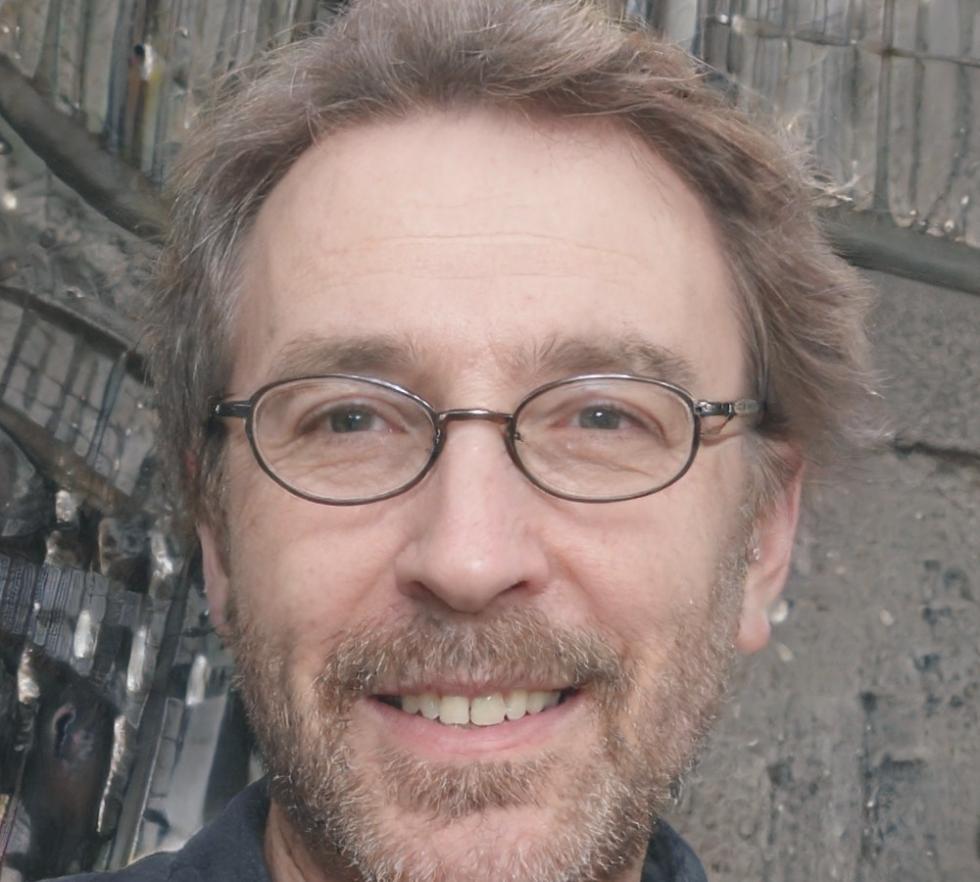

Declan
Forde
A news source shaped by two decades inside broadcast newsrooms — where editorial decisions happen fast and the camera never lies.
Declan spent eighteen years as a senior editor at regional and national broadcasters across Ireland and the UK. He covered everything from local council disputes to live parliamentary debates.
In 2016, he started saxanau to write honestly about the craft of television journalism — the decisions behind the lens, the pressures on correspondents, and the structures that shape what audiences see.
Editorial perspective and practice
What the writing covers
Craft over commentary
Every piece starts from a specific moment — a broadcast that went wrong, a script that worked unexpectedly well, a format that outlived its usefulness. The analysis follows the evidence, not a predetermined angle.


Where this comes from
Declan held senior editing roles at two national Irish broadcasters and contributed to documentary units in the UK. He trained as a print journalist before moving entirely into television in 2003.
- RTÉ
- Virgin Media News
- BBC NI
- Channel 4 docs
Working with others
Saxanau occasionally features conversations with working journalists, producers, and media researchers. Declan is available for editorial consultancy and speaking engagements through [email protected].